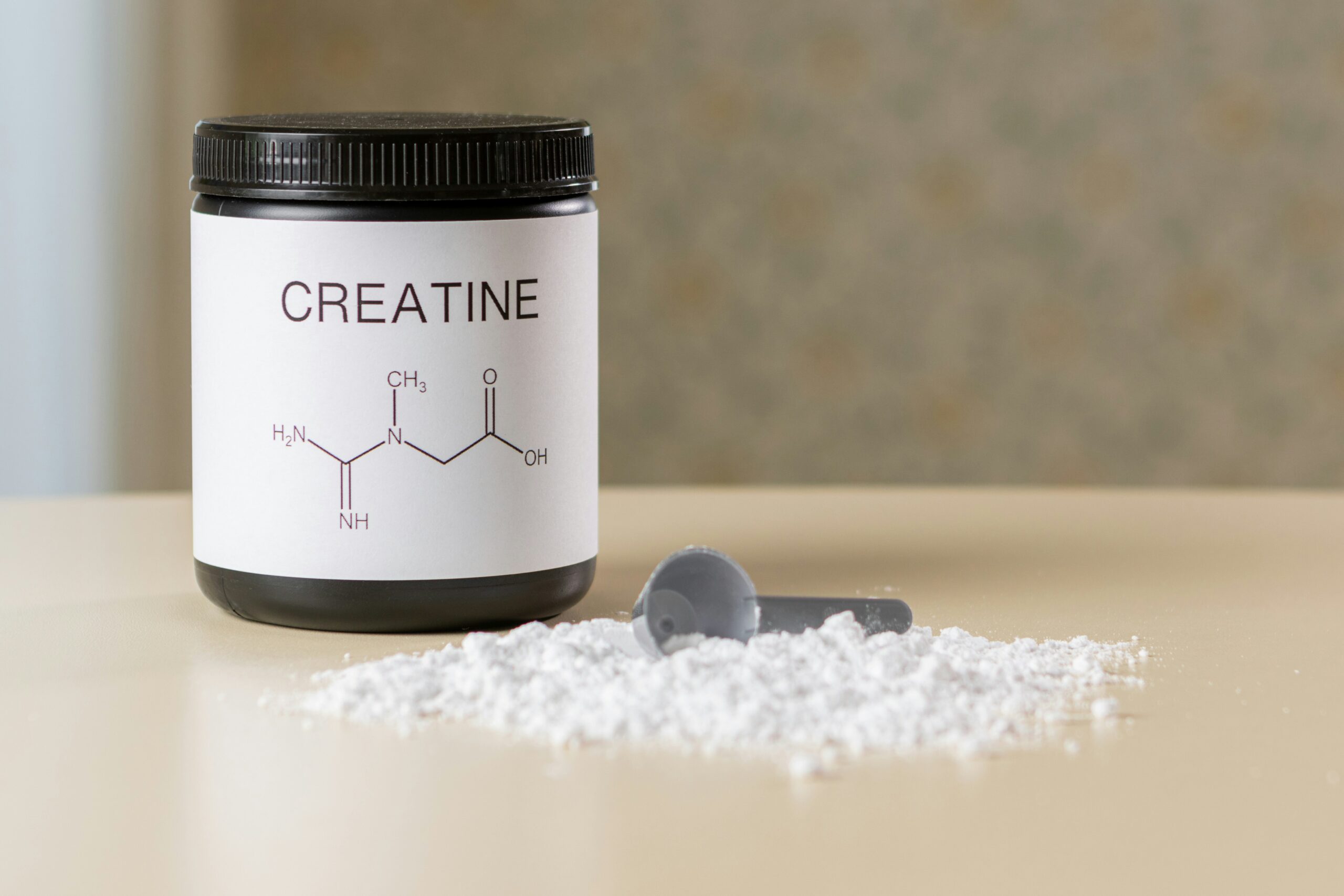
Creatine is one of the most well-researched supplements out there—supporting everything from muscle strength and brain function to cellular energy and even intestinal barrier integrity. Research shows it helps maintain the tight junctions that keep your gut lining strong. So when clients come to me bloated and gassy after starting creatine, the first thing I tell them: this doesn’t mean it’s not for you.
I’ve worked with dozens of clients over 15 years who assumed they were “creatine intolerant” after a few days of bloating and gas. Most of them weren’t. They were just taking it wrong.
Here’s what I’ve learned: the problem usually isn’t creatine itself. It’s how you’re taking it.
What’s Actually Happening in Your Gut
Creatine is osmotically active—meaning it attracts water. When it isn’t fully absorbed in your small intestine, those unabsorbed particles pull water into your digestive tract. The result? Distension, bloating, and sometimes loose stools.
Here’s what most people don’t realize: creatine doesn’t dissolve easily. A 5-gram dose needs about 12 ounces of room-temperature liquid to fully dissolve. Toss it into cold water and chug? You’re sending undissolved crystals through your system—tiny sponges pulling water where you don’t want it.
This is a dissolution issue, not an intolerance issue.
Before any dose adjustments, look at the product itself...This single change resolves symptoms for most people.
The Quality Problem No One Talks About
I’m going to be direct: if you grabbed your creatine from a big-box store or went with the cheapest option online, product quality is likely your biggest culprit.
Research shows lower-quality creatine products often contain impurities and additives that cause GI symptoms independent of creatine itself.
I recently worked with a client who’d written off creatine entirely after months of bloating every time she tried it. When I asked about her product, she showed me a flavored powder from a discount retailer. We switched her to a pure, third-party tested micronized creatine monohydrate—no additives, no sweeteners—and her symptoms resolved within a week.
Same supplement. Completely different experience.
A Note for My IBS Clients
If you have IBS and you’re reading this, I see you. Your gut is already working overtime, and adding anything new feels like a gamble.
Here’s what I want you to know: visceral hypersensitivity—where normal gut sensations feel amplified—affects a significant portion of people with IBS. This means the osmotic effects of creatine might feel more intense for you, even at doses someone else tolerates easily.
The strategies below can make a real difference. And interestingly, some research suggests creatine may actually support gut barrier integrity. If you can find your tolerance sweet spot, there may be benefits beyond muscle support.
How to Take Creatine Without the Bloat
Think of this as a protocol, not a prescription.
Switch your product first. Before adjusting anything else, upgrade to a pure, unflavored, third-party tested creatine monohydrate. This single change resolves symptoms for many people.
Split your dose. Instead of 5 grams at once, try 2.5 grams with breakfast and 2.5 grams with dinner. Research shows a 10-gram single dose caused diarrhea in over half of participants. The same total amount split into two doses? That rate dropped dramatically—nearly matching placebo.
Take it with food. Always. Food buffers the osmotic effect, slows gastric emptying, and actually enhances creatine uptake into your muscles when it includes carbs and protein. Your gut and your gains both win.
Dissolve it properly. Use room-temperature or warm water—at least 8 ounces. Stir vigorously for a full minute. Drink it immediately. Follow with another full glass of water.
Skip the loading phase. Those 20-gram-per-day loading protocols are unnecessary and much harder on sensitive guts. You’ll reach the same muscle saturation with a standard 3-5 gram daily dose—it just takes 3-4 weeks instead of one. Same destination, gentler journey.
This isn't about forcing your body to tolerate something. It's about finding the approach that actually works for you.
The Bottom Line
Bloating from creatine isn’t your body rejecting a beneficial supplement. It’s feedback about how that supplement is being delivered.
When we address the quality, the dosing, the timing, and the dissolution? Most people find they can enjoy creatine’s benefits without the digestive drama.
If you’re dealing with persistent gut symptoms—whether from creatine or something else entirely—reach out. I’d love to help you figure out what’s going on, Book a call here.




Renee is a Registered Dietician and Nutritionist.
- Gut Health (51)
- Healthy Eating & Mindset (56)
- Recipes (53)